
MIDAP
MARI International Dermatology Access Program
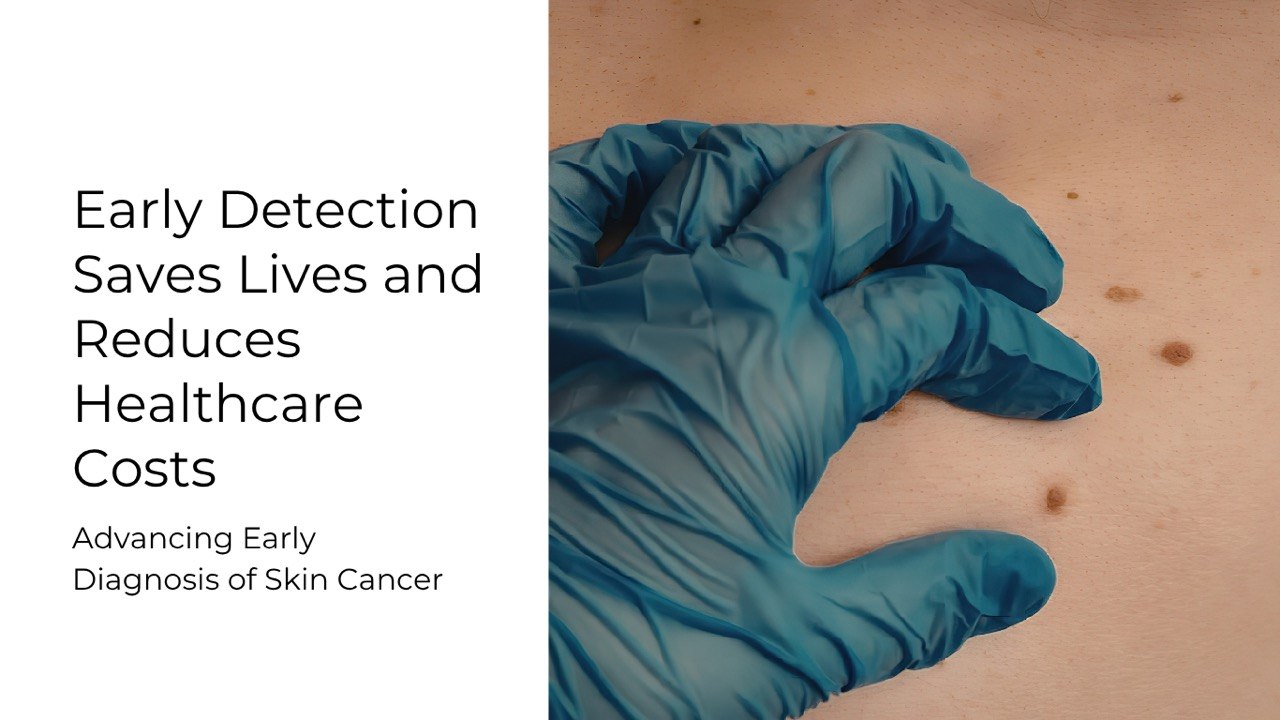
Early detection of melanoma improves survival outcomes3 and is associated with lower long-term treatment costs45.
Backed by 15 Years of Excellence
Since 2011, the Misdiagnosis Association Research Institute (MARI) has been advancing healthcare quality worldwide. Led by Dr. Pooya Khanmohammad Beigi, MARI brings together physicians, researchers, and educators across multiple countries to prevent misdiagnosis and improve patient outcomes. With a Google Scholar-indexed research journal, international branches, and a proven track record of impactful initiatives, MARI combines academic rigor with real-world healthcare delivery.
Every day, nearly 20 Americans die from melanoma. Most of these deaths are preventable with early detection. MIDAP brings free skin cancer screening to the people who need it most — and can access it least.
Financial Impact
Late-stage melanoma is associated with >22×4 higher treatment costs compared with early-stage disease. Early detection is associated with estimated savings of $100,000–$155,0006 per patient.
The Problem
Skin cancer is the most common cancer in the United States, affecting nearly 6 million individuals annually and generating over $8.9 billion in healthcare costs2. Early-stage melanoma is highly treatable, while late diagnosis is associated with higher mortality and significantly higher treatment costs34. Underserved populations often face barriers to timely dermatologic care, increasing the risk of delayed diagnosis and poorer outcomes.
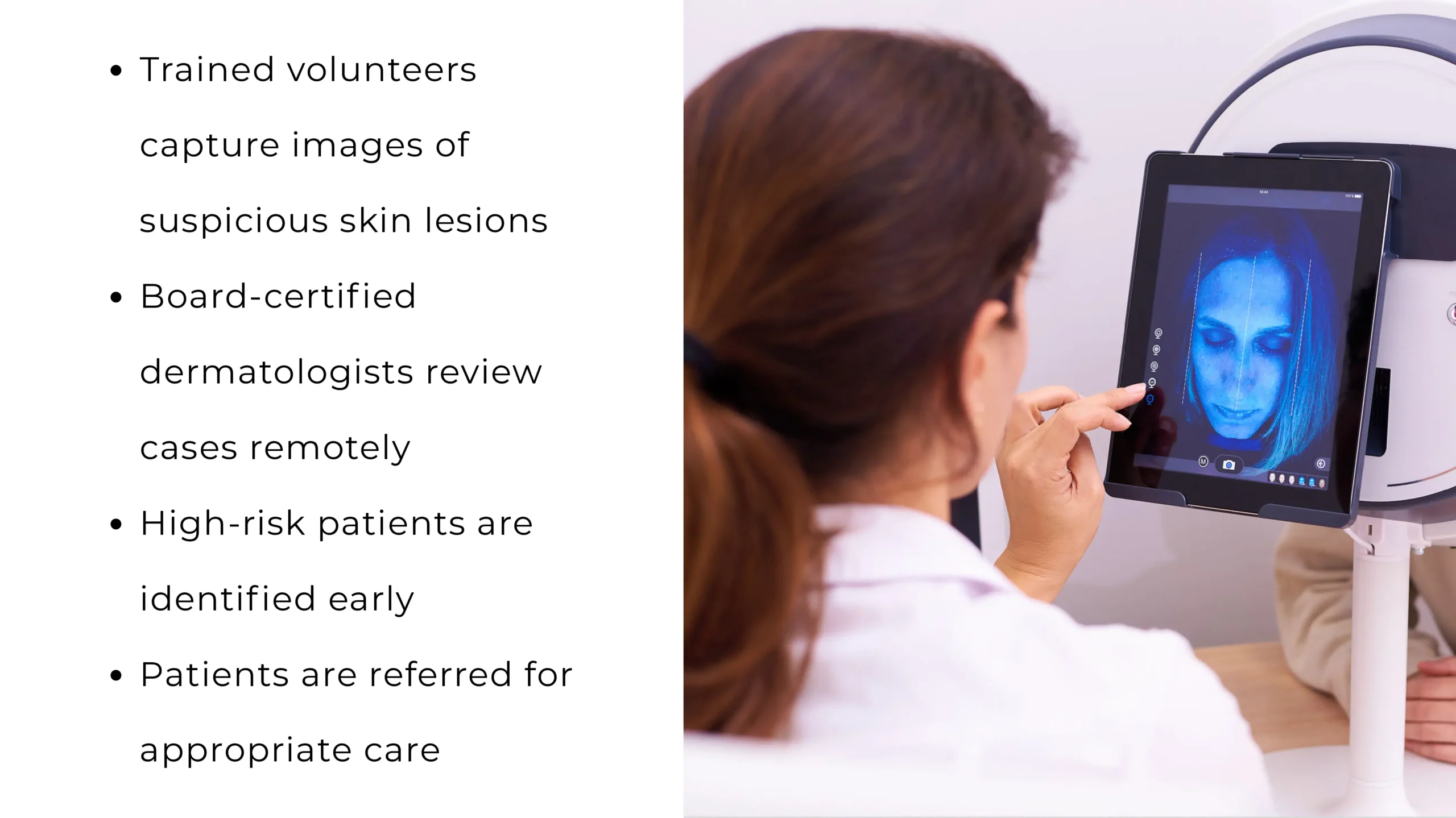
The MIDAP Solution
MIDAP facilitates early diagnosis through a scalable teledermatology model:
- Trained volunteers capture images of skin lesions using standardized protocols and informed consent procedures.
- Board-certified dermatologists review de-identified cases through a secure teledermatology platform.
- Suspected cases are referred for timely medical care.
How MIDAP Works
Image Capture
High-quality images are captured by trained volunteers using standardized protocols.
Remote Review
Board-certified dermatologists review cases through a secure teledermatology system.
Clinical Assessment
Suspicious lesions are identified based on expert clinical assessment.
Referral
Patients are referred to appropriate healthcare services for timely treatment.
Program Impact
- Early detection of melanoma improves survival outcomes (5-year survival ~35% → 99%)3.
- MIDAP is designed to reduce financial burden by enabling earlier-stage diagnosis456.
- The program supports improved patient outcomes by helping prevent delayed diagnosis and disease progression.
How MIDAP Supports Government
Direct Cost Savings
MIDAP’s target populations are largely covered by Medicaid and Medicare. Each melanoma caught at Stage I instead of Stage IV saves taxpayers over $155,000 in treatment costs.
Reduced Emergency Burden
Undiagnosed skin cancers in homeless and nursing home populations often present in emergency departments at advanced stages. MIDAP prevents these costly emergency interventions.
Federal Program Alignment
MIDAP supports HRSA workforce development goals, CDC prevention priorities, and the objectives of Healthy People 2030.
Measurable Public Health ROI
Every dollar invested in early detection screening generates multiples in downstream healthcare savings.
Political Value
Elected officials can champion a high-impact, low-cost initiative that protects vulnerable populations and saves taxpayer money — with clear, quantifiable outcomes.
Aligned with Leading Health Organizations
MARI’s programs support the public health goals of leading national and international organizations.
MARI’s programs are independently operated and are not officially endorsed by the organizations shown. Logos are displayed to indicate alignment with their public health objectives.
Target Populations
Homeless populations
Limited access to preventive healthcare
Nursing home residents
Increased vulnerability and delayed diagnosis
Frontline workers
High UV exposure and occupational risk
Low-income communities
Significant barriers to dermatologic care
School populations
Opportunity for early education and screening
Geographic Coverage
MIDAP is currently in active pilot deployment across four U.S. states, with outreach ongoing to shelters, nursing homes, and community organizations. International expansion is planned for the UK, Canada, and France.
New York
Urban underserved populations
Texas
High UV exposure regions
California
High skin cancer burden and shelter outreach
Florida
High-risk and underserved population zones

Dr. Pooya Khanmohammad Beigi
Dermatologist, researcher, and founder of MARI. Leading international initiatives focused on improving diagnostic accuracy and healthcare outcomes.
GLADE Project Team
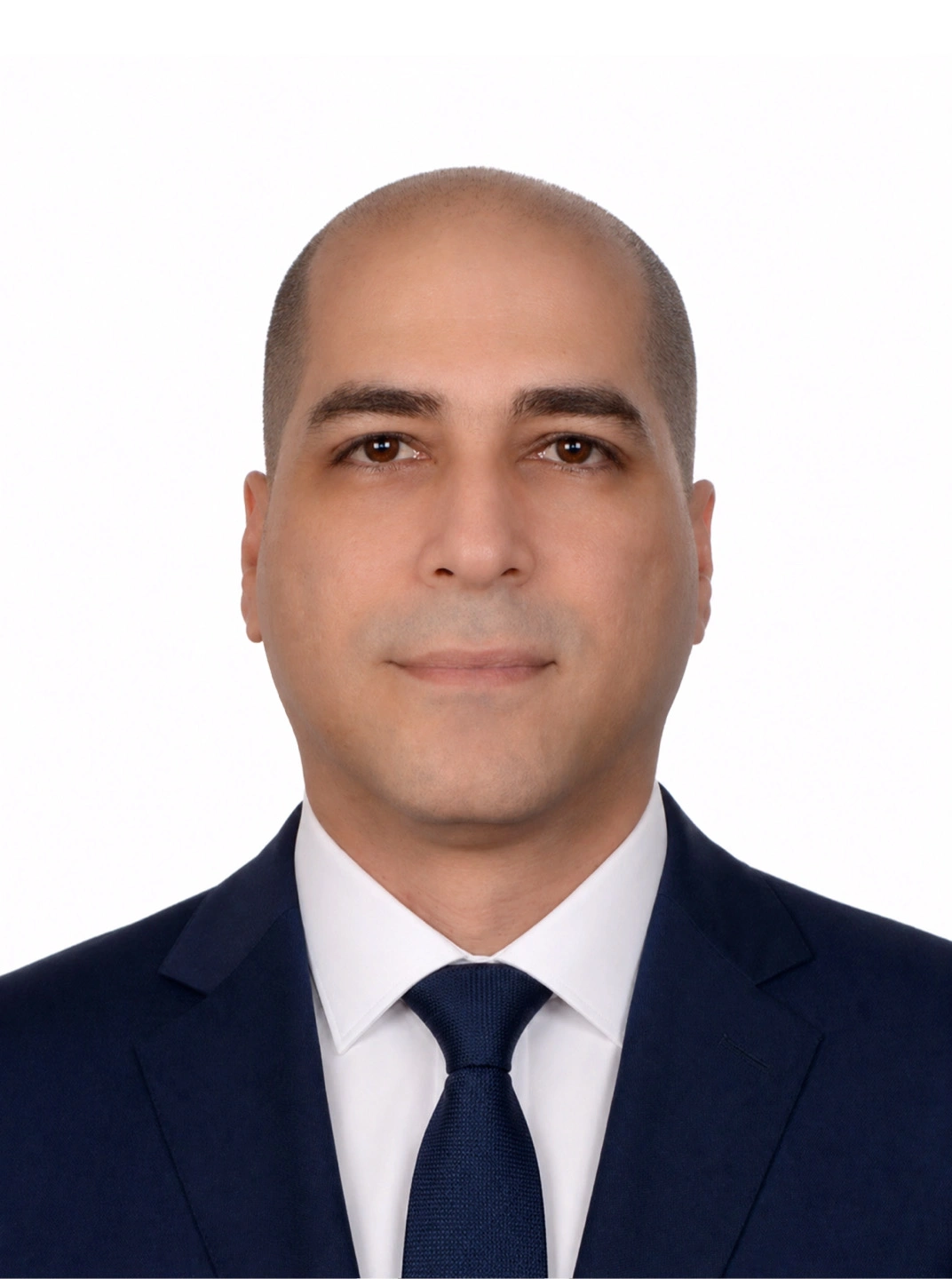
United Arab Emirates
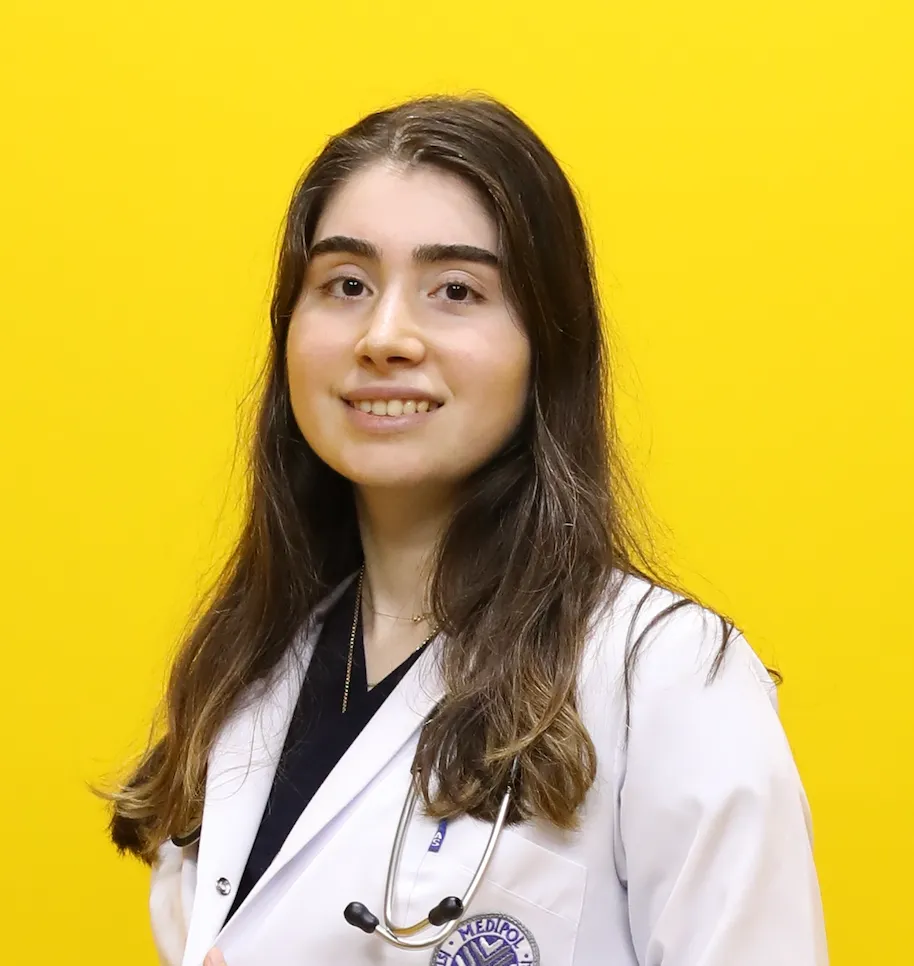
Turkey

United Kingdom

Republic of Ireland
Future Vision
- Expansion beyond the United States
- Integration of AI-assisted diagnostics
- Adaptation to additional medical specialties
- Global deployment
- American Cancer Society. Cancer Facts & Figures 2026.
- Centers for Disease Control and Prevention (CDC). 2025. Annual medical cost of treating skin cancer in the United States.
- SEER Program, National Cancer Institute. Melanoma survival by stage.
- British Journal of Dermatology. 2025. Stage I versus Stage IV melanoma cost comparison.
- University of California. Melanoma Costs: A Dynamic Model.
- Journal of the American Academy of Dermatology (JAAD). Kanzler et al. Melanoma treatment cost distribution analysis.
Support Early Detection. Save Lives.
Explore MARI’s Programs
MIDAP, HEROSCREEN, KIDERM, and GLADE are part of MARI’s family of initiatives designed to improve healthcare access, education, and outcomes worldwide.