HEROSCREEN
Early Detection for First Responders
Precision screening for high-risk public safety professionals.
HEROSCREEN is a MARI initiative designed to support early skin cancer detection among firefighters, police officers, EMTs, and paramedics through workplace-based screening and dermatology review.
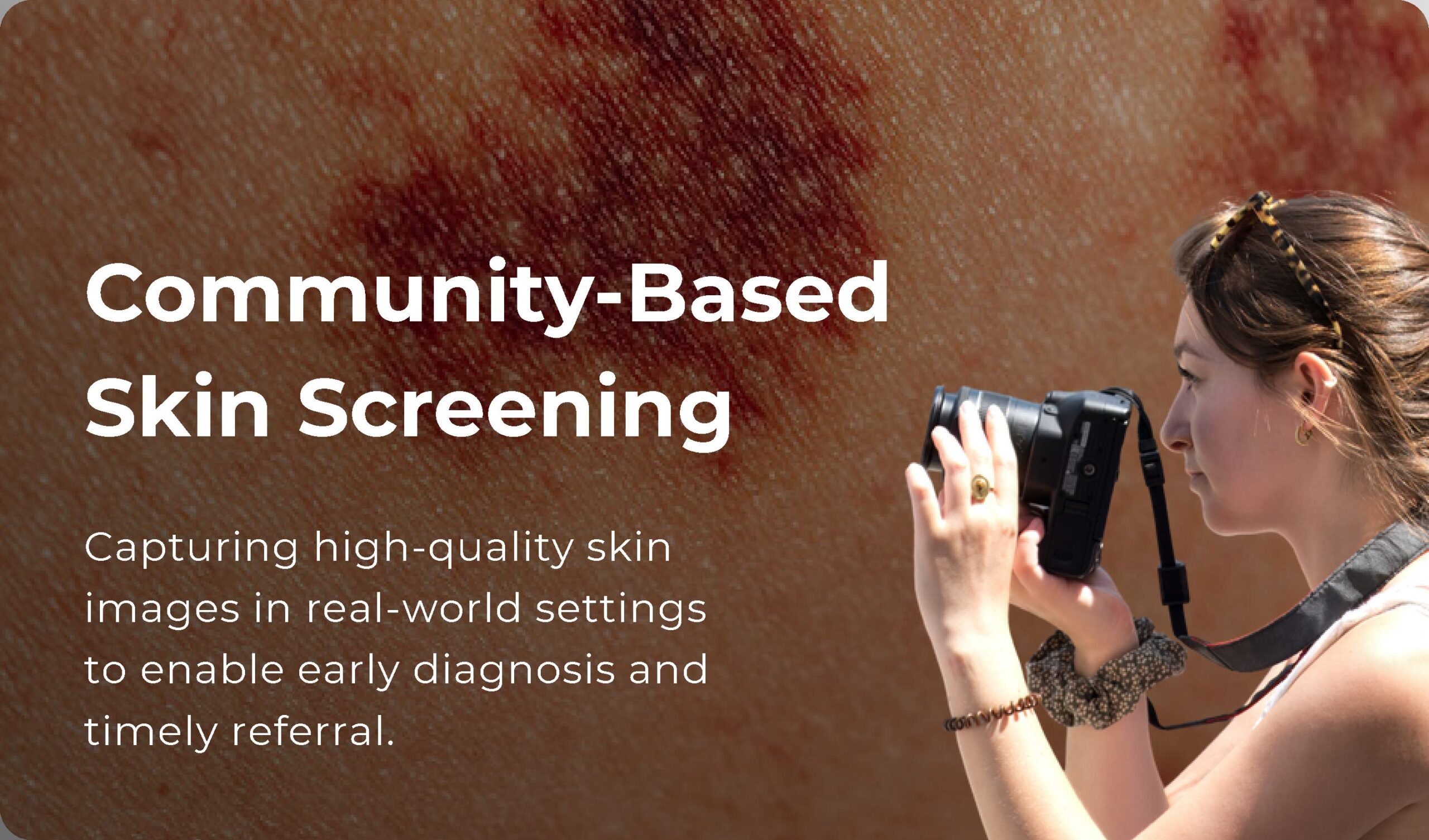
“They run into burning buildings to save us. They patrol our streets. They respond to our emergencies. But who protects them? Firefighters face a 72% higher risk of dying from skin cancer. HEROSCREEN brings free screening directly to their workplace.”
Backed by 15 Years of Excellence
Since 2011, the Misdiagnosis Association Research Institute (MARI) has been advancing healthcare quality worldwide. Led by Dr. Pooya Khanmohammad Beigi, MARI brings together physicians, researchers, and educators across multiple countries to prevent misdiagnosis and improve patient outcomes. With a Google Scholar-indexed research journal, international branches, and a proven track record of impactful initiatives, MARI combines academic rigor with real-world healthcare delivery.
HEROSCREEN is a targeted screening initiative focused on protecting first responders, including firefighters, police officers, EMTs, and paramedics.
The program uses consent-based imaging, secure case handling, and dermatologist review to help identify suspicious skin lesions earlier and support timely referral.1,2
HEROSCREEN is designed as a facilitation and screening-support model, not a substitute for in-person medical diagnosis or treatment.
Why HEROSCREEN Matters
- First responders face elevated occupational exposure to UV radiation, combustion byproducts, PAHs, benzene, and PFAS-related risks.1
- Firefighters have documented excess risk of melanoma and other skin cancers.2
- Existing screening patterns remain insufficient, especially among volunteer firefighters.3
- HEROSCREEN brings screening closer to the workplace, reducing barriers of time, location, and access.
Scientific Evidence
- IARC classifies occupational exposure as a firefighter as carcinogenic to humans, Group 1.2
- Firefighters show elevated melanoma and skin cancer risk across major epidemiologic studies.4,5
- Occupational exposure may include UV radiation, combustion byproducts, and PFAS-containing gear.1,2
Target Population
- Fire & Rescue Services → High carcinogen exposure and documented risk2,4
- Law Enforcement → Chronic outdoor and vehicle-related UV exposure
- Emergency Medical Teams → Occupational skin exposure during field work
- High-risk public safety → Hazardous environments and limited access
How HEROSCREEN Works
Partnership
MARI coordinates with leadership to arrange screening events.
Screening
Trained volunteers capture consent-based workplace images.
Review
De-identified images are reviewed by board-certified dermatologists.
Referral
Participants with concerning findings are advised on follow-up.
The Program Model
HEROSCREEN combines workplace-based access, teledermatology support, and clinical expertise to deliver scalable screening while preserving operational readiness.6
Economic Impact & Savings
High Cost-Saving Potential
Stage I melanoma may cost approximately $4,649 over five years, compared with $159,808 for Stage IV.7
Each earlier detection represents a potential saving of more than $155,000.7
Value for Government
- Workforce Protection: Preserves health and readiness of personnel.
- Cost Reduction: Reduces risk of late-stage treatment costs.7
- Liability Management: Helps reduce long-term compensation burdens.8
Aligned with Leading Health Organizations
MARI’s programs support the public health goals of leading national and international organizations.
HEROSCREEN Program Team
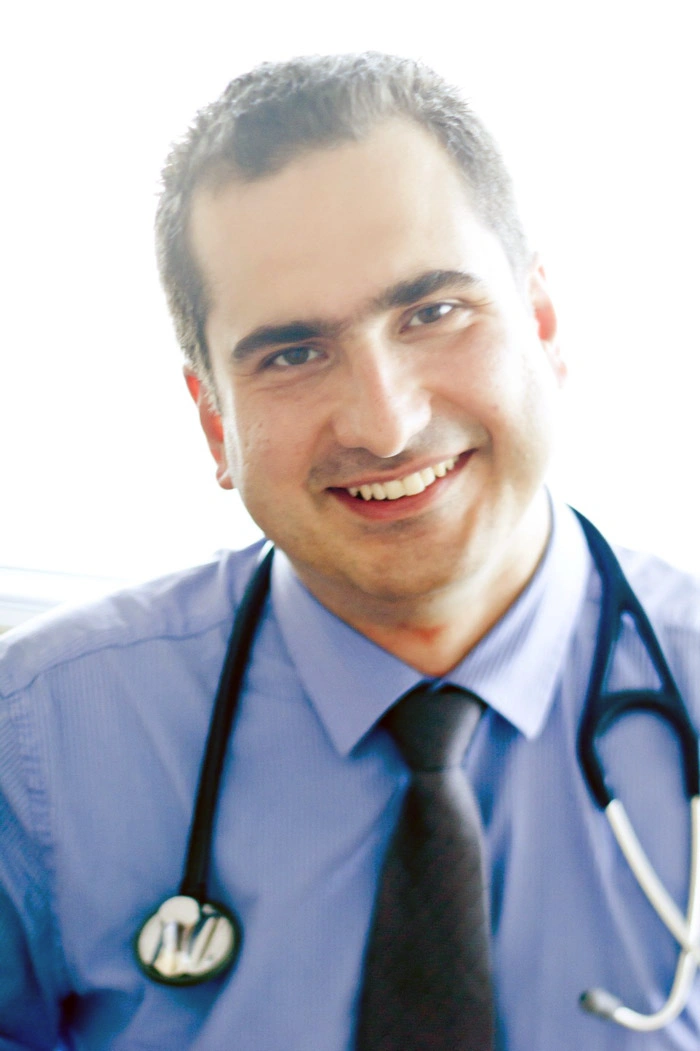
Dr. Pooya Khanmohammad Beigi
Dermatologist, researcher, and founder of the Misdiagnosis Association Research Institute. Dr. Beigi leads the HEROSCREEN initiative with a focus on occupational skin cancer prevention and early detection for high-risk first responder populations.
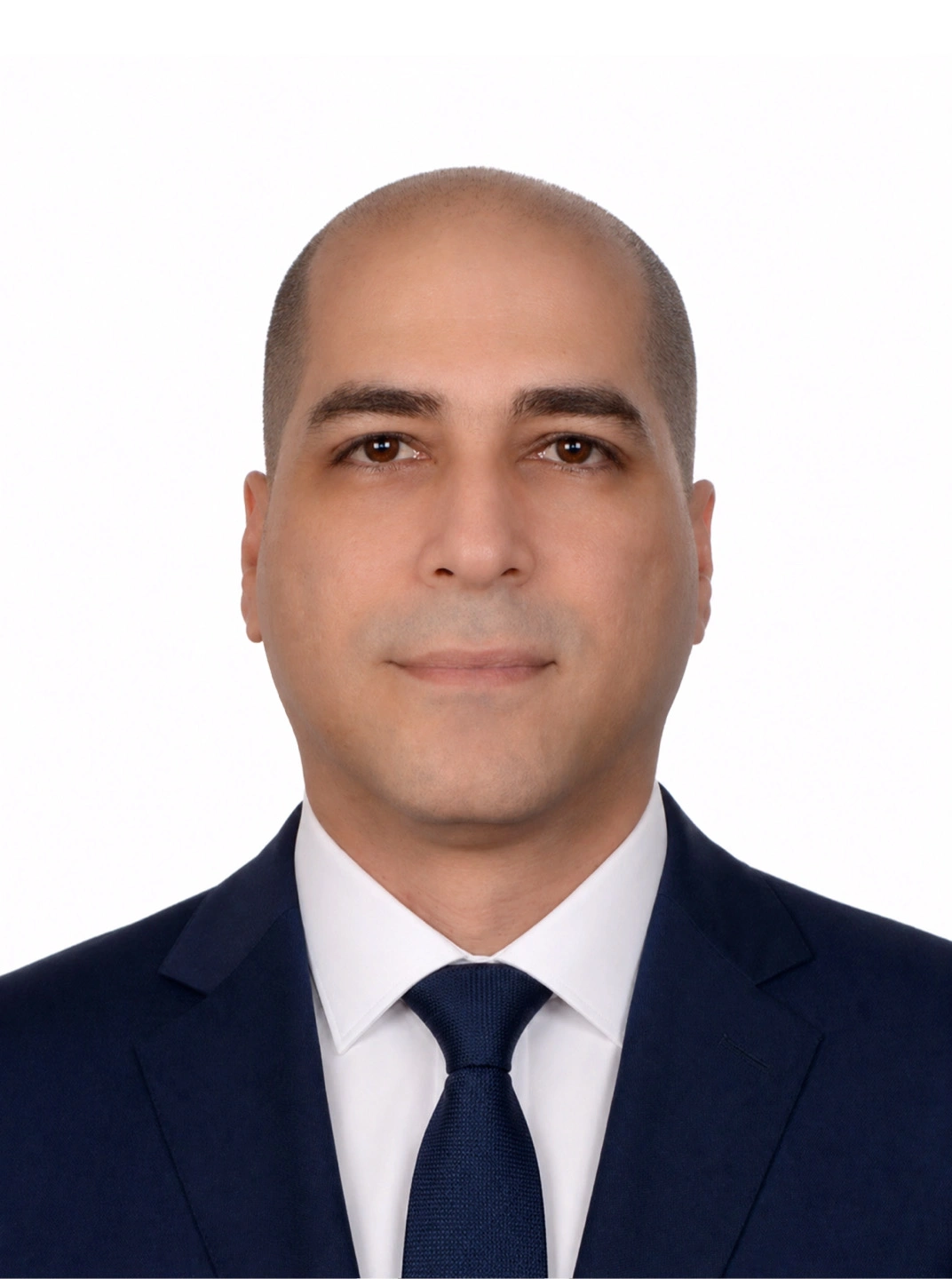
Dr. Afshin Sadeghian
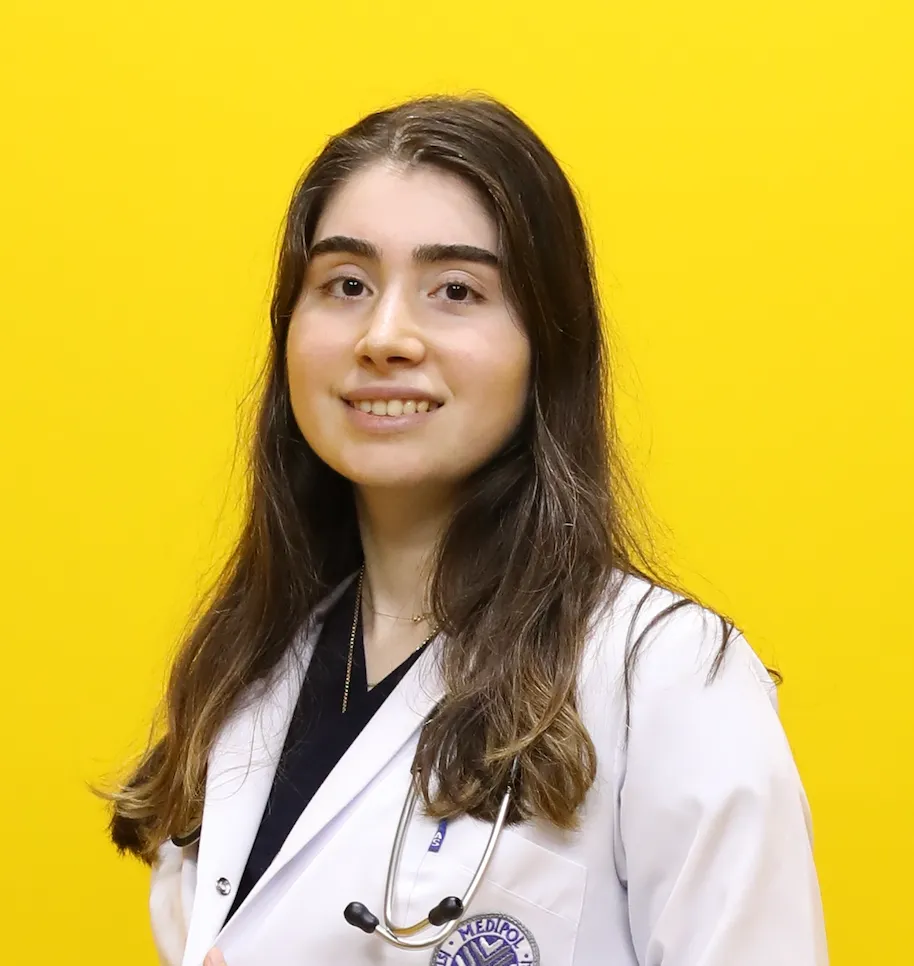
Dr. Gulcin Canbeyli
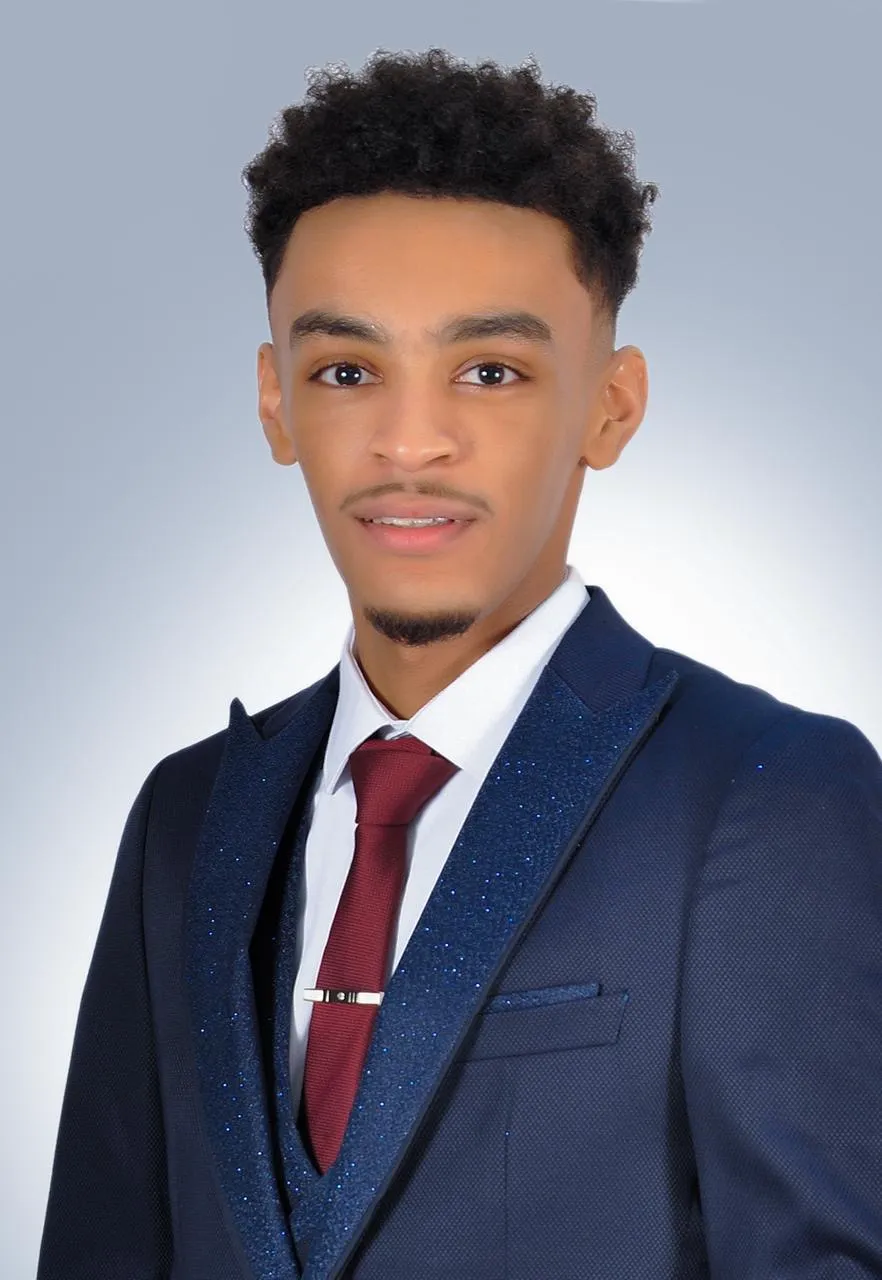
Dr. Obay Ahmed
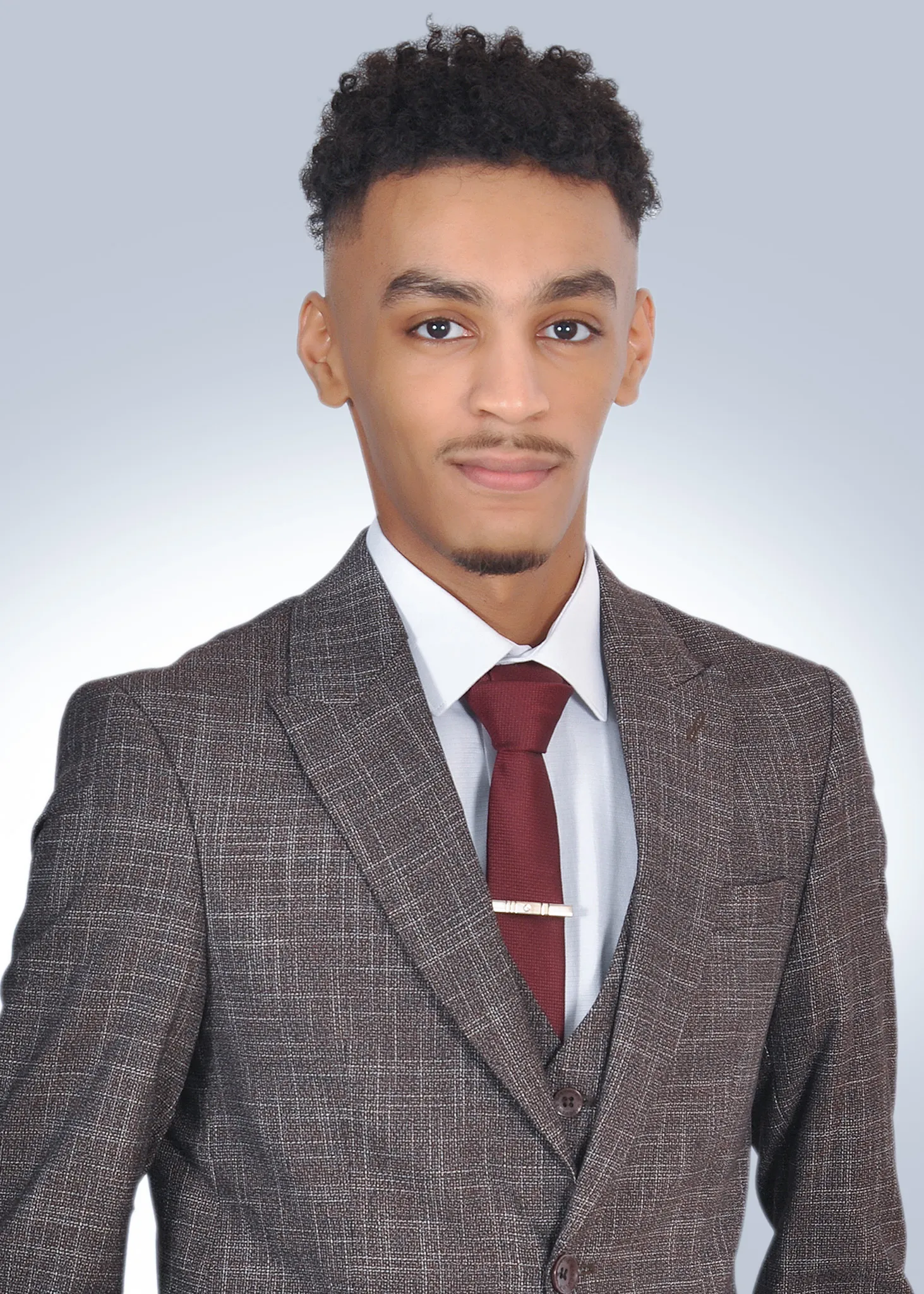
Dr. Moaz Ahmed
Geographic Coverage
HEROSCREEN is targeting first responder departments across four U.S. states, with international expansion planned for the UK, France, and Canada.
New York
FDNY and NYPD outreach
Texas
Texas fire departments
California
CalFire and urban departments
Florida
High UV-exposure state priority
Join a High-Impact Clinical Network
- Collaborate with experienced dermatologists in large-scale public health screening.
- Contribute to early detection for high-risk first responder populations.
- Support clinically meaningful case review through a structured, secure process.
References
- 1. HEROSCREEN Program Report. MARI. Occupational exposure mechanisms. 2026.
- 2. IARC. Occupational exposure as a firefighter classified as carcinogenic, Group 1. 2022.
- 3. American Journal of Industrial Medicine. Screening rates among firefighters. 2023.
- 4. ACS-led study. International Journal of Epidemiology. Firefighter mortality risk. 2025.
- 5. Meta-analysis of cancer incidence among firefighters. PMC. 2023.
- 6. HEROSCREEN Program Report. Operational model and screening framework. 2026.
- 7. HEROSCREEN Program Report. Early vs late-stage melanoma treatment cost comparison. 2026.
- 8. HEROSCREEN Program Report. Government liability and disability benefit considerations. 2026.
Human Impact
Protecting those who protect us.
Ensuring first responders return home healthy, every day. The goal is simple: earlier detection and healthier professionals.
Partner With Us
Support early detection for America’s first responders and help expand workplace screening.
Explore MARI’s Programs
MIDAP, HEROSCREEN, KIDERM, and GLADE are part of MARI’s family of initiatives designed to improve healthcare access, education, and outcomes worldwide.
MIDAP
Early skin cancer detection for underserved communities
Visit Program →HEROSCREEN
Workplace skin cancer screening for first responders
Visit Program →KIDERM
School-based skin health education for children
Visit Program →GLADE
Global dermatology education for doctors worldwide
Visit Program →