KIDERM
Educating Children. Preventing Skin Disease.
A school-based program designed to reduce the spread of contagious skin conditions through early education, awareness, and prevention.
Backed by 15 Years of Excellence
Since 2011, the Misdiagnosis Association Research Institute (MARI) has been advancing healthcare quality worldwide. Led by Dr. Pooya Khanmohammad Beigi, MARI brings together physicians, researchers, and educators across multiple countries to prevent misdiagnosis and improve patient outcomes. With a Google Scholar-indexed research journal, international branches, and a proven track record of impactful initiatives, MARI combines academic rigor with real-world healthcare delivery.
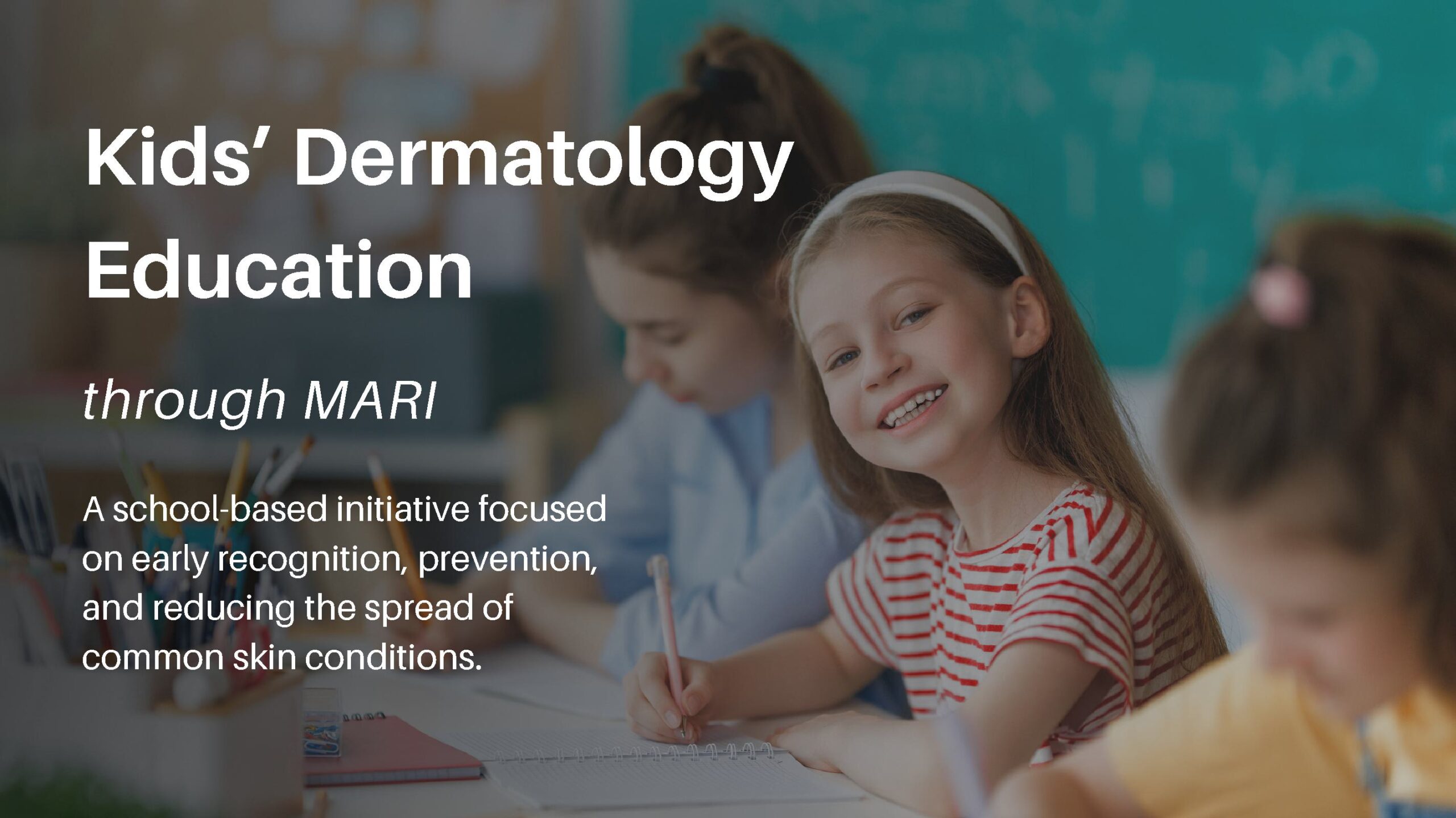
A 30-minute lesson can protect an entire classroom. KIDERM teaches children how to recognize and prevent contagious skin conditions — at zero cost to schools, families, or taxpayers.
Introduction
KIDERM is a school-based educational initiative developed by MARI to address the widespread burden of contagious skin, hair, and nail conditions among children.
Through structured, interactive sessions, the program equips students with the knowledge to recognize early symptoms, prevent transmission, and respond appropriately within school and home environments.
The program is entirely educational and does not involve diagnosis, clinical assessment, or medical intervention.
The Scale of the Problem
The Problem
Contagious skin diseases spread rapidly in school environments due to close contact, shared spaces, and limited awareness among children.
They lead to unnecessary absenteeism, parental work loss, increased healthcare costs, and significant psychological stress. A large proportion of this burden is preventable through basic education and awareness.
Conditions Covered
- Head lice (Pediculosis) – Highly contagious in school environments1
- Viral warts (HPV) – Common and easily transmitted through contact
- Fungal infections (Tinea / Ringworm) – Affect millions globally, particularly children4
- Scabies – Requires prolonged contact; associated with stigma5
- Impetigo – Rapid classroom spread
- Molluscum contagiosum – Persistent and frequently mismanaged
Why It Matters
- High transmission in crowded school environments
- Significant and preventable healthcare costs3
- Loss of education due to absenteeism
- Psychological stress and social stigma
- Fully preventable through structured education
How KIDERM Works
Interactive 30-minute sessions delivered in schools.
Age-appropriate, engaging, prevention-focused curriculum.
Take-home resources for children and families.
Improved awareness, reduced transmission, stronger school health.
Evidence
- Educational interventions have been shown to significantly reduce the prevalence of contagious skin diseases in school settings6.
- Public health models demonstrate measurable reductions in head lice prevalence following structured education programs6.
- Prevention-based approaches also demonstrate strong economic return on investment7.
Economic Impact & Savings
Reducing disease incidence lowers treatment costs for families and significantly reduces national healthcare burden3.
Early recognition and prevention strategies reduce unnecessary treatments, consultations, and school outbreak management costs.
ROI Potential
Education programs can generate:
By reducing absenteeism, parental productivity loss, and unnecessary healthcare spending.
Value for Government & Schools
- Reduces public health expenditure through prevention3
- Aligns with CDC and public health education strategies3
- Decreases school disruption and administrative burden
- Addresses health disparities in children
Aligned with Leading Health Organizations
MARI’s programs support the public health goals of leading national and international organizations.
MARI’s programs are independently operated and are not officially endorsed by the organizations shown. Logos are displayed to indicate alignment with their public health objectives.
Program Model
KIDERM delivers structured education directly in schools through trained volunteers. The model focuses on prevention, awareness, and early recognition, without performing medical procedures.
Our Team
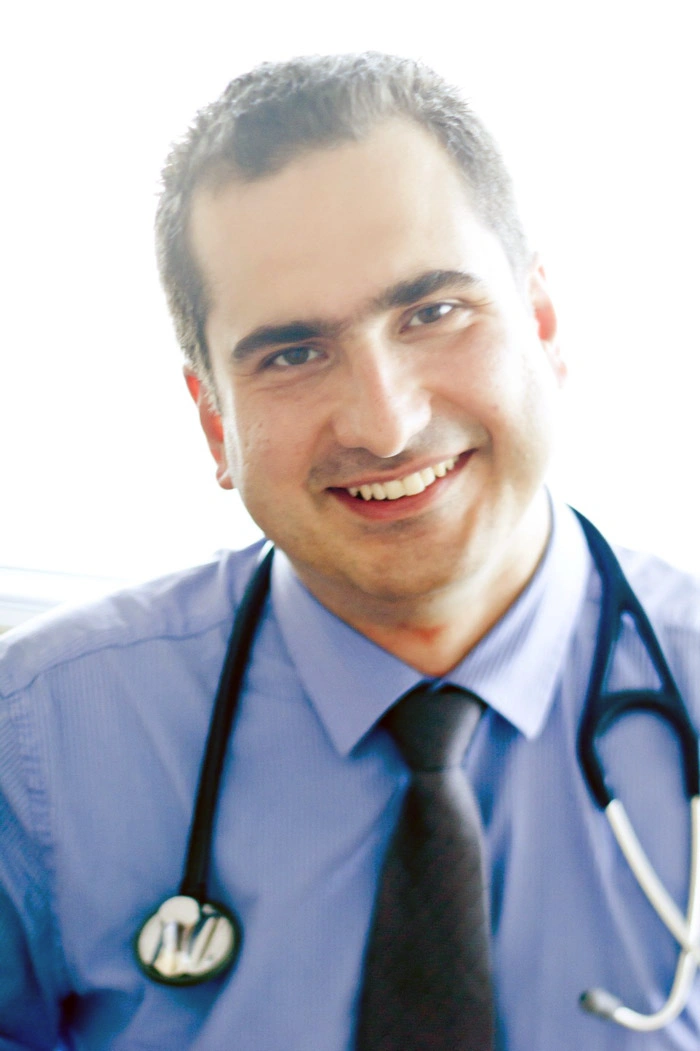
Dr. Pooya Khanmohammad Beigi
Program Lead — KIDERM / Founder, MARIDermatologist, researcher, and founder of the Misdiagnosis Association Research Institute. Dr. Beigi leads the KIDERM initiative with a focus on school-based skin health education and prevention of contagious skin conditions among children.
State Managers
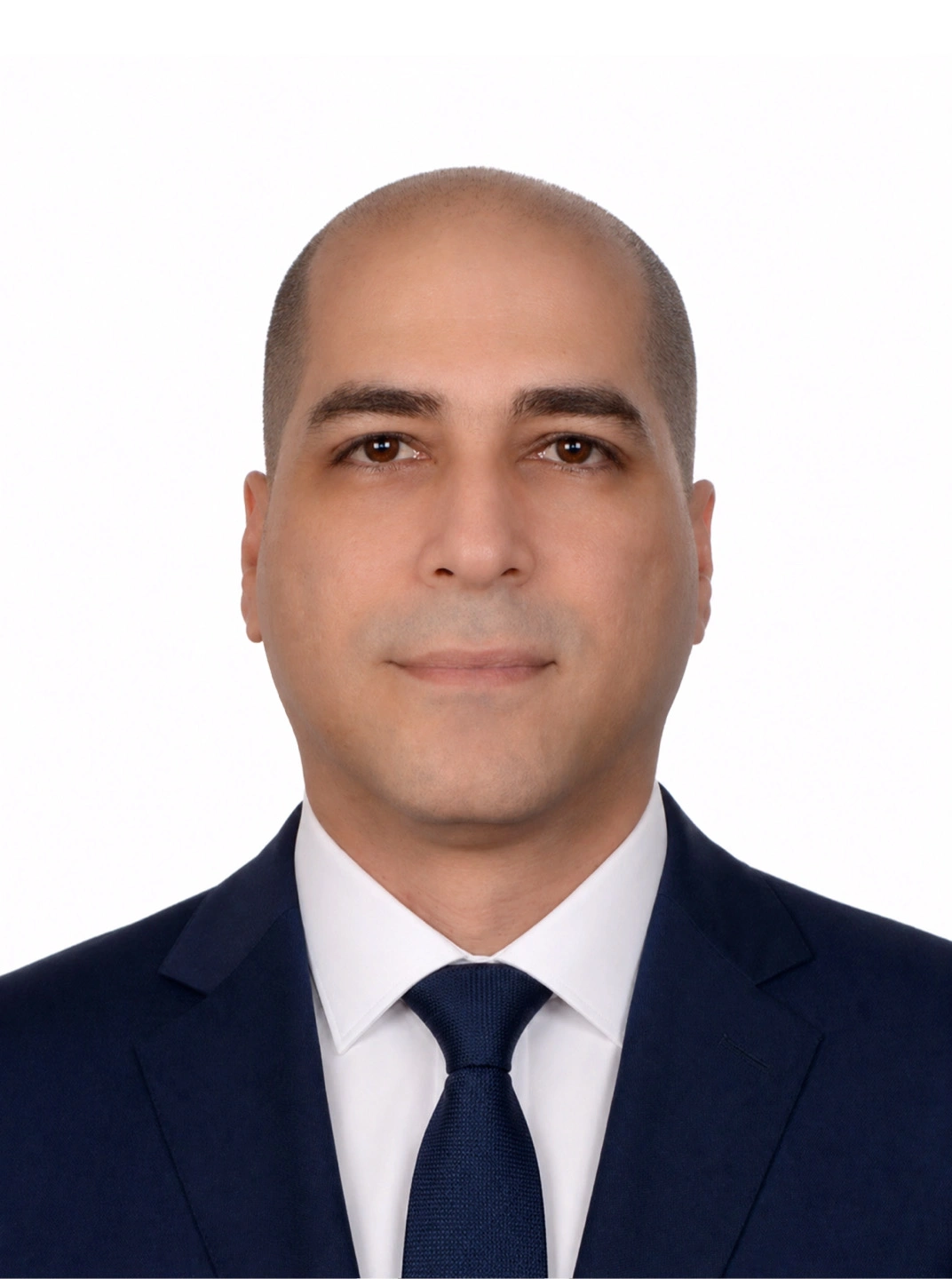
Dr. Afshin Sadeghian
KIDERM State Manager New York Assistant: Gia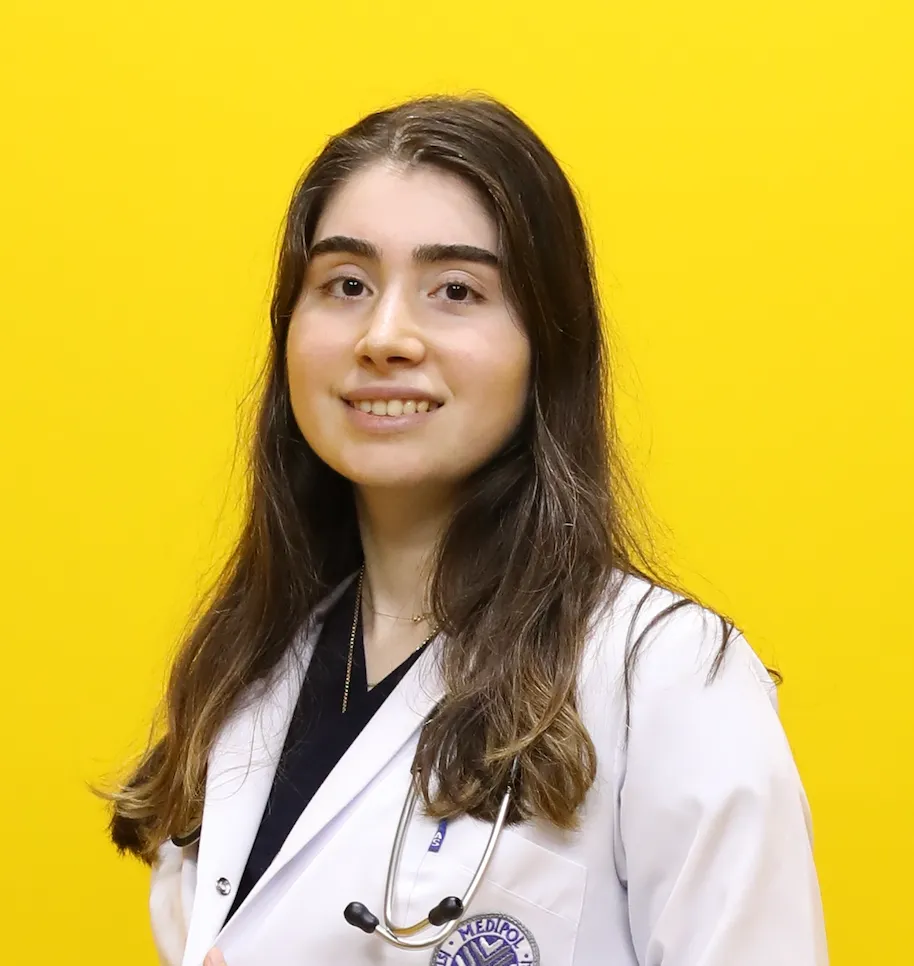
Dr. Gulcin Canbeyli
KIDERM State Manager Texas Assistant: Alexandra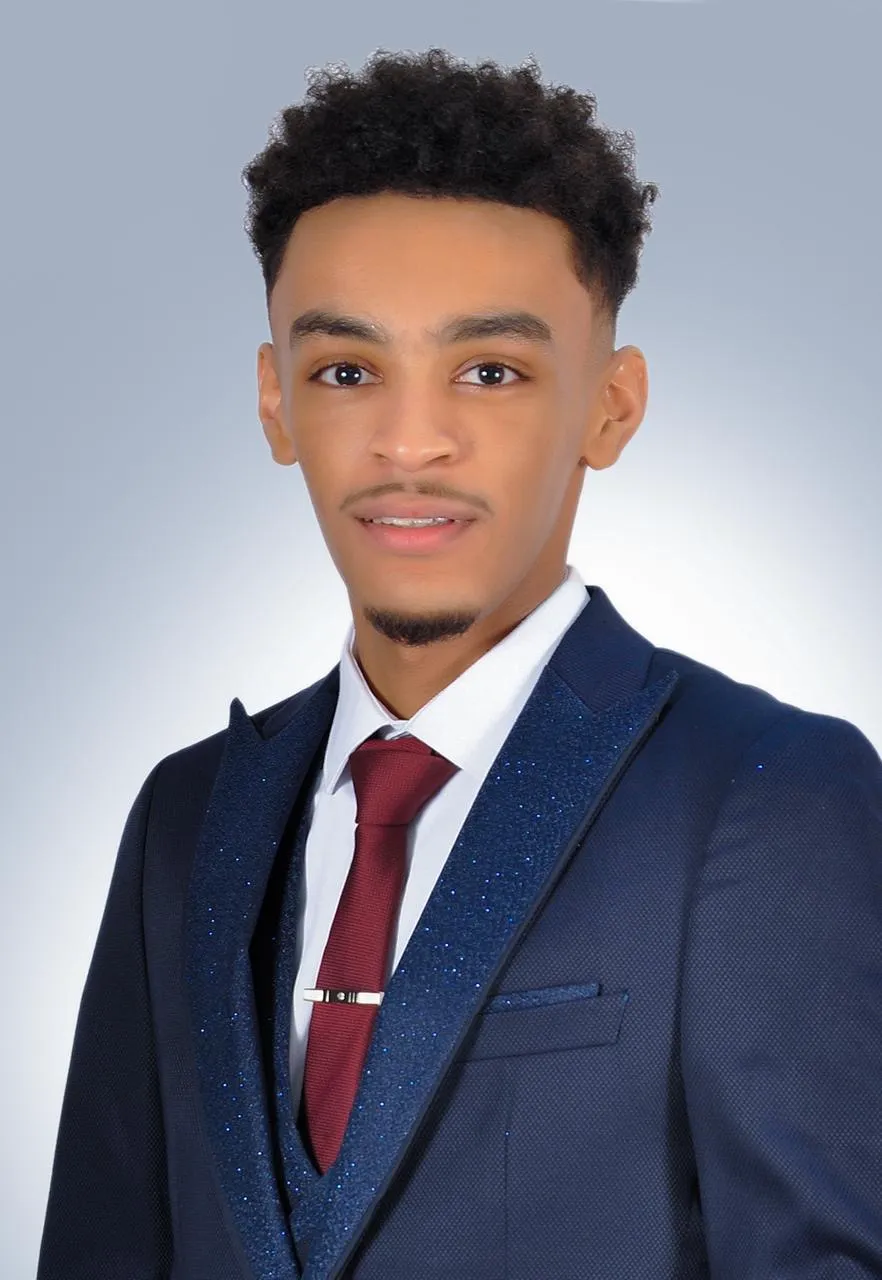
Dr. Obay Ahmed
KIDERM State Manager California Assistant: Paniz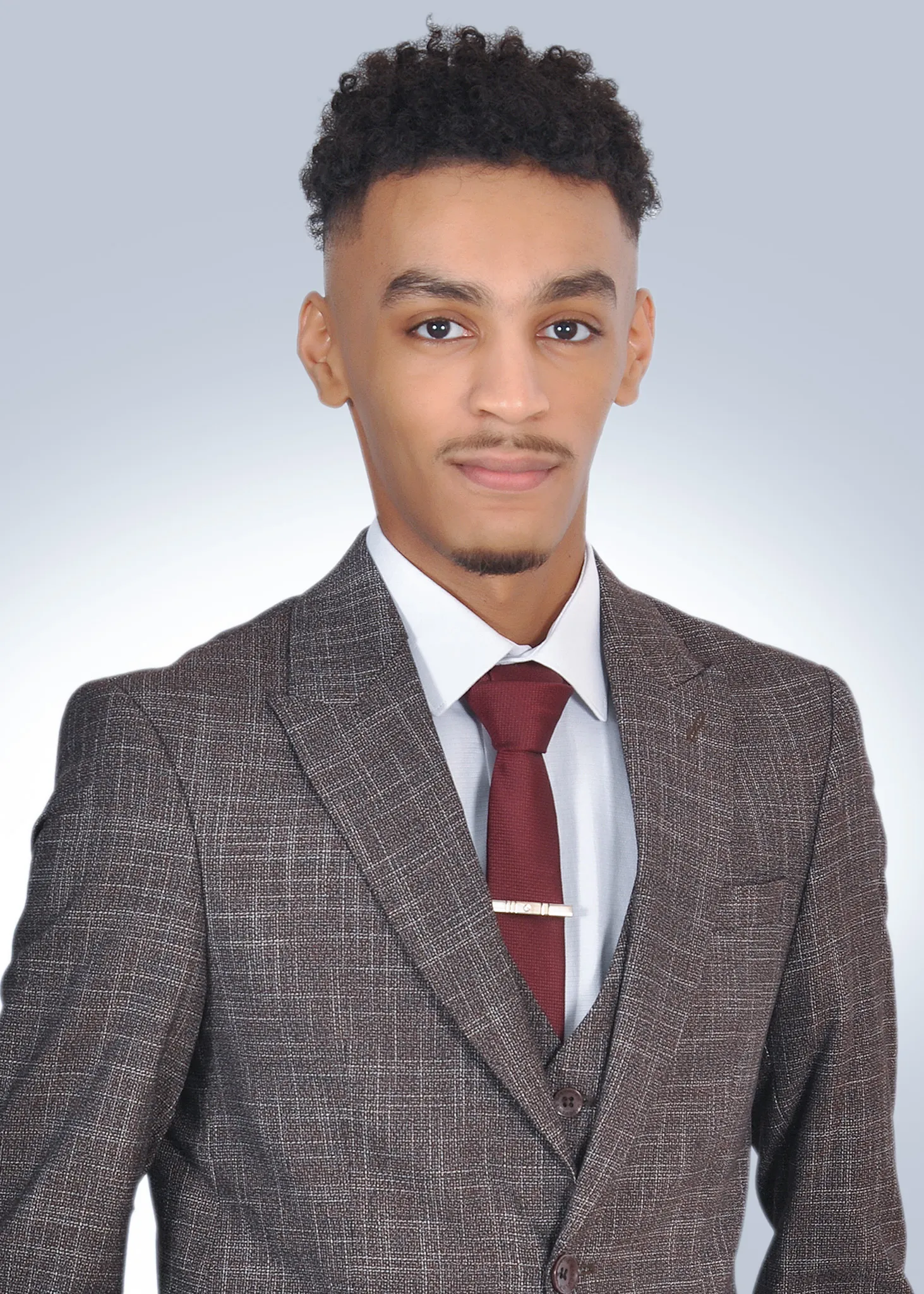
Dr. Moaz Ahmed
KIDERM State Manager Florida Assistant: PinarNational & Global Reach
KIDERM is currently targeting school districts across four U.S. states: New York, Texas, California, and Florida. International expansion is planned for the United Kingdom, France, and Canada, where similar contagious skin conditions affect millions of school-age children annually.
Human Impact
Children are uniquely vulnerable to contagious skin conditions due to close interaction and limited awareness. KIDERM provides practical knowledge that enables children to protect themselves and others, supporting healthier school environments.
References
- American Academy of Pediatrics (AAP). Head Lice Clinical Report. Pediatrics. 2022.
- Grand View Research. U.S. Head Lice Treatment Market Size Report. 2024.
- Centers for Disease Control and Prevention (CDC). Economic Burden of Fungal Diseases in the United States. 2023.
- World Health Organization (WHO). Global Burden of Fungal Infections. 2022.
- World Health Organization (WHO). Scabies Fact Sheet. 2023.
- PubMed Central (PMC). School-based Intervention Study on Pediculosis Reduction. 2022.
- U.S. Environmental Protection Agency (EPA). SunWise Program Economic Analysis.
Ready to bring KIDERM to your school?
Explore MARI’s Programs
MIDAP, HEROSCREEN, KIDERM, and GLADE are part of MARI’s family of initiatives designed to improve healthcare access, education, and outcomes worldwide.